cd208 - A ghost kitchen is using my restaurant's name, leading to a 30% drop in sales and confusion among customers.
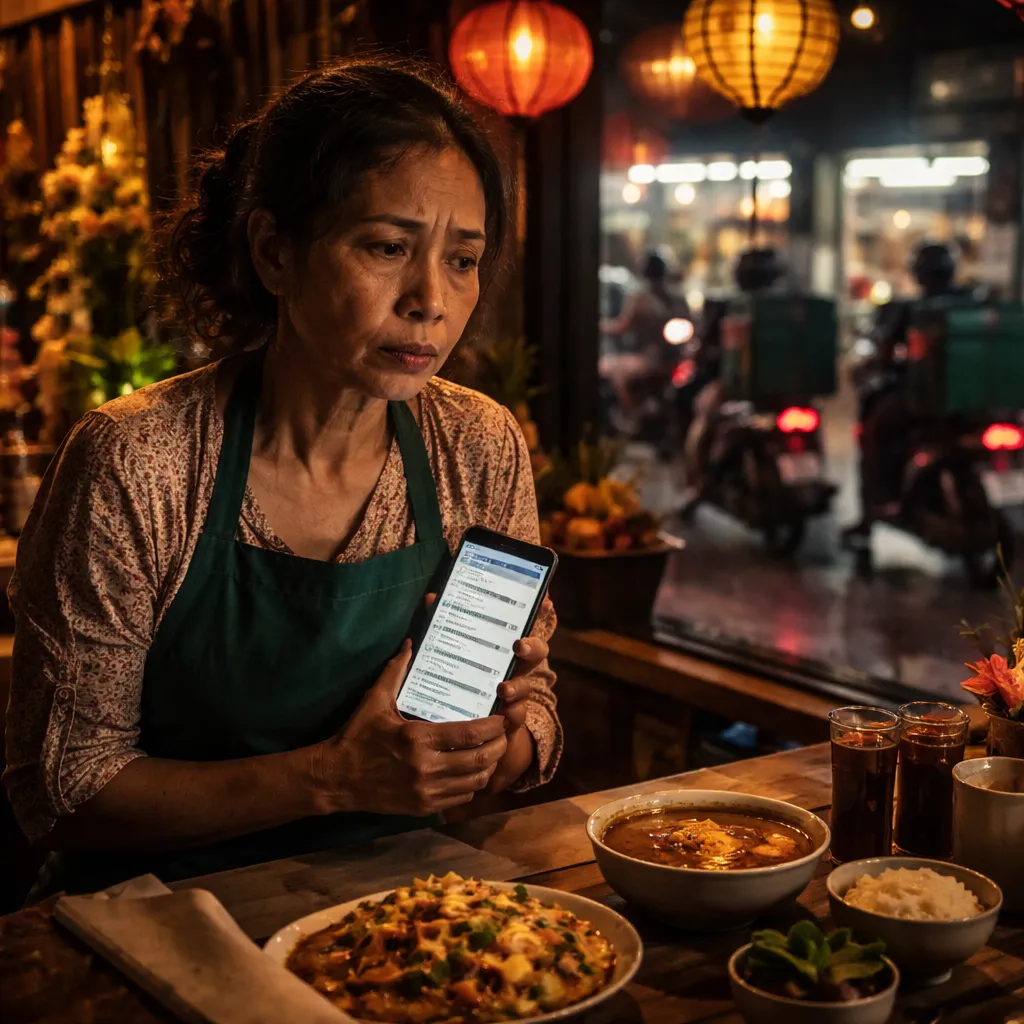
Navigating the Emotional and Financial Toll of Brand Fraud in the Restaurant Industry
Operating a small business can be a rewarding yet challenging experience, and for restaurant owners, the stakes can be even higher. The story of Bangkok Garden, a beloved Thai restaurant, highlights the alarming issue of fraud that can not only jeopardize a business’s reputation but also its very survival. This situation is more than just a business dispute; it encapsulates the emotional turmoil and stress that comes with fighting against deceit in the culinary world. In this article, we will explore the implications of such fraudulent activities, how they affect owners psychologically, and what steps can be taken to safeguard one's business.
Contextual Insights
The story of Bangkok Garden reflects a growing concern in the restaurant industry: the rise of ghost kitchens and fraudulent establishment names operating under the guise of legitimate restaurants. This problem resonates deeply, particularly for small business owners who often pour their heart, soul, and resources into creating something worthwhile. With the digital age allowing easy access to delivery app platforms, fake listings can severely impact an authentic restaurant's reputation and financial stability.
Beyond the business implications, the emotional toll is significant. The sense of betrayal felt by the restaurant owner in this case is palpable, as a former employee exploited trust and goodwill to create a competing brand—one that misrepresents the quality and integrity that Bangkok Garden has built over the years. Such experiences can result in stress, anxiety, and feelings of helplessness as the owner grapples with the fallout from fraudulent reviews, which can mislead customers and threaten local businesses.
Owners facing similar issues should consider documenting every detail, leveraging social media to clarify the situation, and communicating transparently with customers about the integrity of their establishment. Understanding one’s rights in terms of trademark and business protection can also form the foundation for legal recourse against fraudsters when necessary. Ultimately, awareness and proactive measures serve as essential tools in combating the economic and emotional devastation that fraud can cause.
Life Advice
Navigating the complexities of food service and ownership can be incredibly rewarding, yet it also presents unique challenges, especially when faced with deceit from former associates or competitors. Here are strategies that can help in addressing such situations while maintaining one’s emotional well-being.
First and foremost, foster an open line of communication with your customer base. In the case of Bangkok Garden, the establishment manager took the proactive step of addressing the situation on social media. Engaging directly with your community not only provides transparency but can also strengthen the relationship with your loyal patrons who may turn to social media for firsthand accounts. Keep your messaging focused on your values and commitment to quality, setting a distinct boundary between your real establishment and any impersonators.
Legal considerations should not be overlooked, and consulting with an experienced attorney can provide insights into your options. While legal actions may involve significant costs, understanding the potential for recovery of losses can be valuable. In addition to pursuing legal recourse, consider strengthening your online presence by encouraging satisfied customers to leave positive reviews which can counteract the fraudulent ratings that might be misguiding potential clients.
Finally, build a support network of fellow business owners who understand the challenges of restaurant operation. Investing in peer relationships can provide both emotional and practical advice. Allow yourself to process the emotional strain of fighting back against fraud—consider speaking to a professional if feelings of overwhelm persist. Engaging with a community of supportive fellow entrepreneurs can remind you that you’re not alone in this fight, leading to restorative actions that allow you to reclaim your narrative.
Conclusion
The journey of Bangkok Garden exemplifies the challenges faced by small business owners in a landscape where fraud can easily erode the hard work and dedication that goes into creating a successful brand. It's crucial to remember that addressing issues of impersonation and false representation isn't just a matter of business integrity; it significantly impacts emotional health and community trust. Taking proactive measures, including clarifying your narrative to customers, seeking legal advice, and building networks of support, provides practical steps to counter this distressing situation.
In such times of crisis, allow yourself to acknowledge the emotional difficulties while remaining vigilant about your business's integrity. Seek professional supports as necessary and stay committed to quality and transparency. With determination and community support, it is possible for a restaurant to recover from the shock of fraud and emerge stronger, reinforcing their place in the hearts of their customers. Your story matters, and the integrity of your brand deserves protection against those who would distort it.
The community verdict, based on 0 comments.
Keep reading
 NTA
lv-61 - A Family Hardware Store's Legacy: My Mother's Dying Wish to Reunite with My Brother
Navigating Family Betrayal and Business Rivalry During a Mother's Final Wish for Unity Balancing family dynamics with business decisions can be one of life's most challenging dilemmas. This story encapsulates a conflict rooted in a family-r
 NTA
lv-72 - After Six Years of Night Classes, I Graduate Nursing School on the Same Day as My Ex-Husband's Wedding
Navigating Graduation Achievements and Family Dynamics: A Mother's Emotional Journey on a Complicated Day The journey to achieving lifelong dreams often comes with unforeseen challenges, especially in the realm of family dynamics. This stor